

Koreadores

Discover

Curated guides, cultural insights, and news updated regularly.

Featured

K-FOOD#dining experience#food culture

Ssam: The Korean Way of Wrapping Food

Ssam: The Korean Way of Wrapping Food

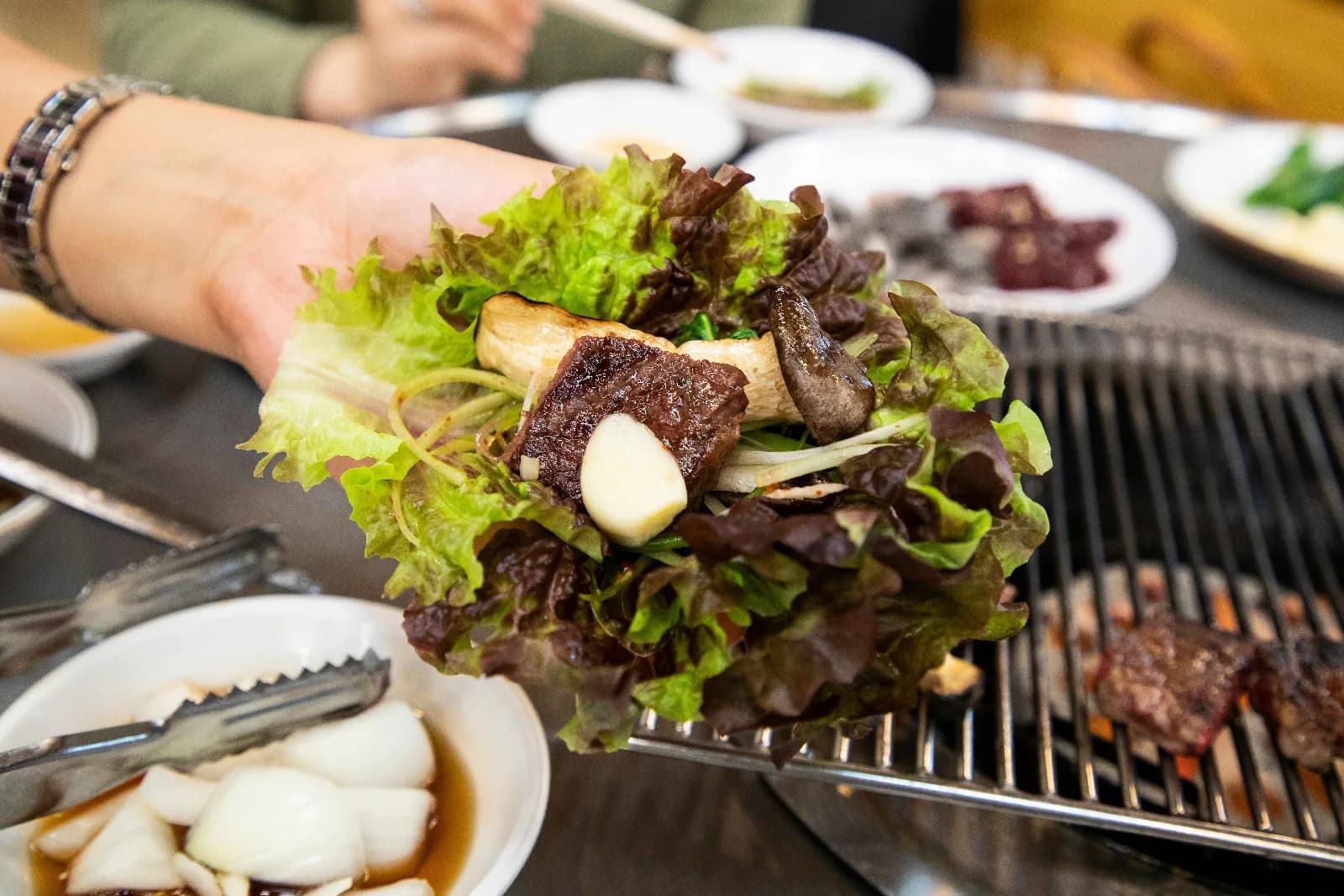
In Korea, it is common to wrap food in vegetables before eating.

What Is Ssam?

Ssam is a way of eating where meat, rice, and side dishes are wrapped together in leafy vegetables.

011

Editor's Pick

Korean Society & Culture#convenience#daily life in korea

Public Restrooms in Korea Are Free

In Korea, most public restrooms are free to use.

Where Can You Find Them?

Public restrooms are easy to find in many places.

Subway stations Parks Large buildings Commercial areas

05
Korean Society & Culture#daily life in korea#floor living

No Shoes Inside: Korean Home Etiquette

In Korea, people do not wear shoes inside the house.

Why Do People Take Off Their Shoes?

To keep the home clean Because of a floor-based lifestyle

The inside of a home is considered a clean space, separate from the outside.

010
Korean Language#korean communication#korean culture

What “Let’s Have a Meal Sometime” Really Means in Korea

Does “Let’s have a meal sometime (밥 한 번 먹자)” mean a real plan

The Korean phrase “밥 한 번 먹자” (bap han beon meok-ja) literally means “let’s have a meal sometime.”

However, it does not always refer to a specific plan.

What it usually means

02
Korean Language#korean communication#korean conversation

Why Koreans Start Sentences with “Ani~”

Does “ani~ (아니)” mean “no”

“Ani” literally means “no,” but when it is used at the beginning of a sentence, it functions differently.

How it is used

The phrase “아니~” (ani~) is commonly used:

05

All articles

Korean Travel#gwanghwamun#gyeongbokgung#joseon dynasty
2026-03-21
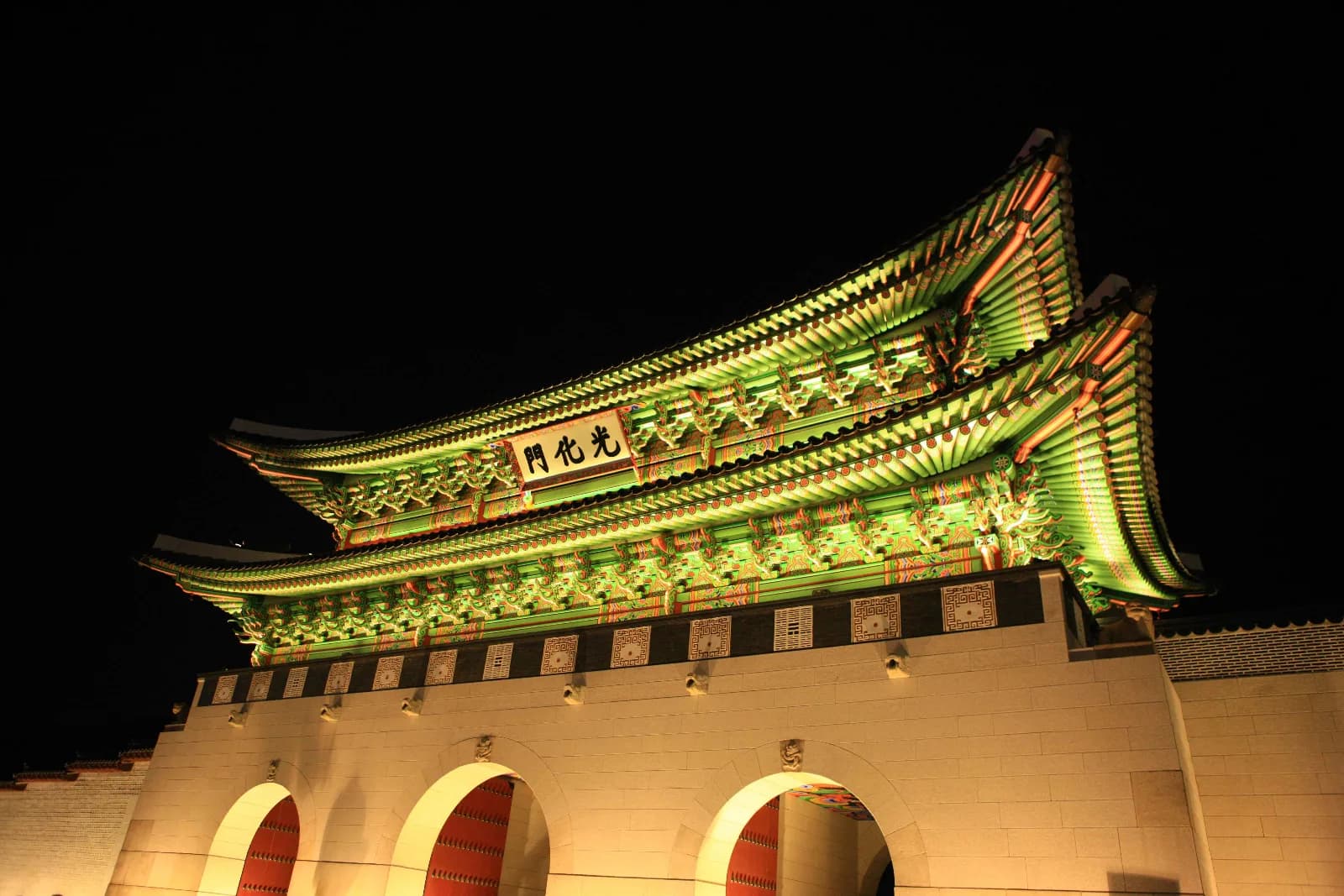
Gwanghwamun (광화문), From Royal Space to Public Square

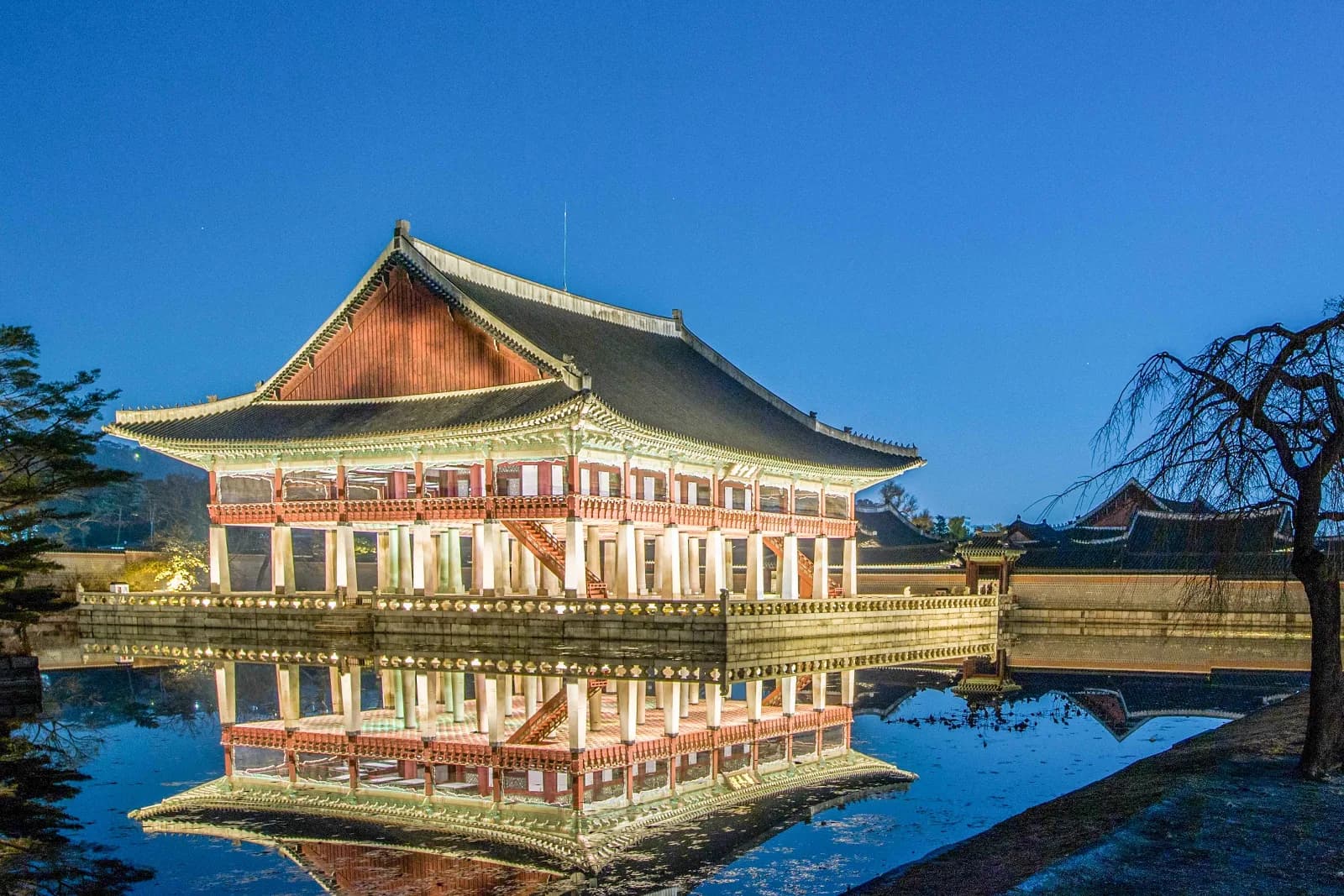
Gwanghwamun is the main gate of Gyeongbokgung and a symbolic center of Seoul.

It is not just an entrance to a palace, but a place where Korea’s past and present meet.

What is in Gwanghwamun Square

In front of the gate is a large public square that contains important national symbols....
05
Korean Society & Culture#hangul#hunminjeongeum#joseon dynasty
2026-03-21
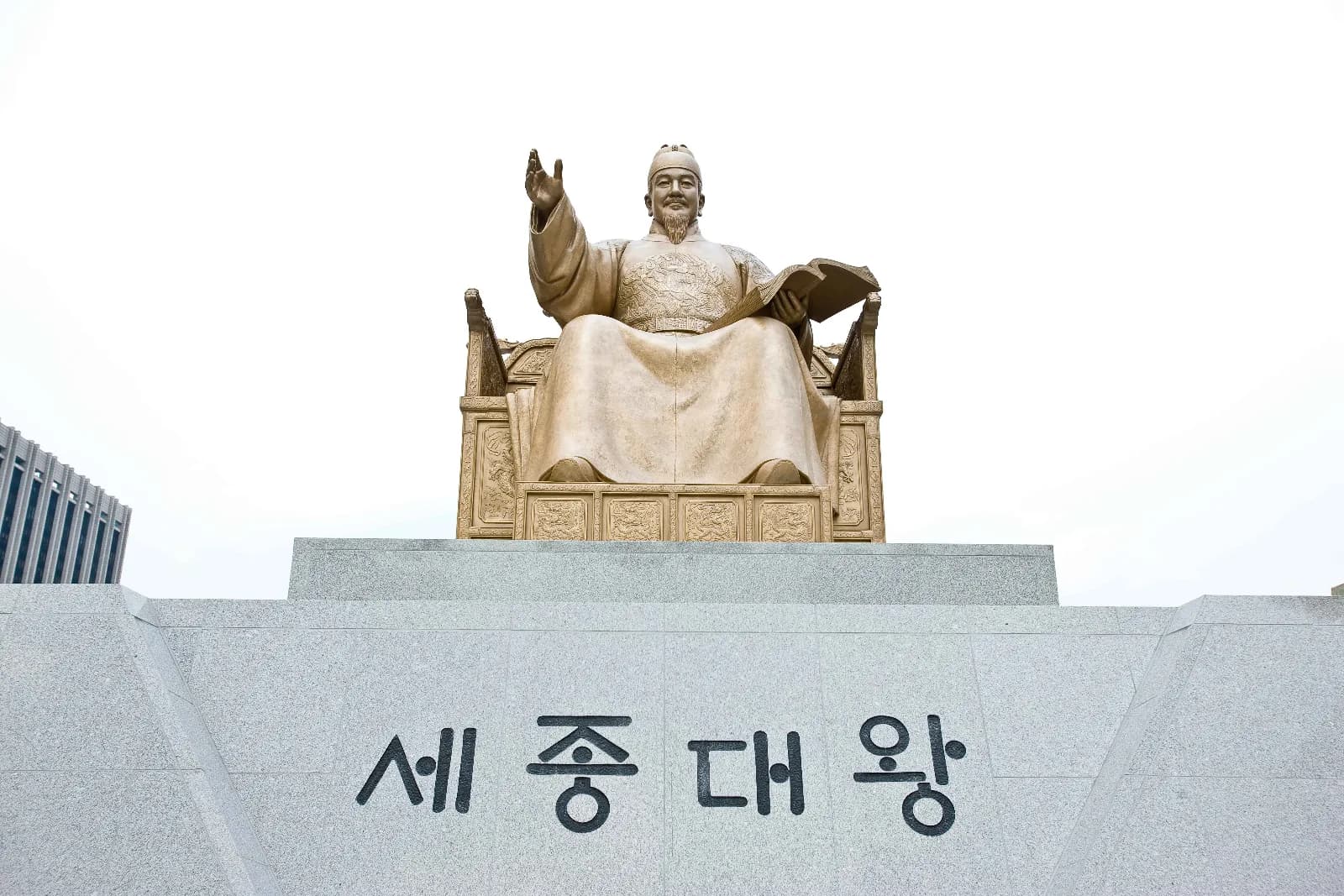
King Sejong (세종대왕), Creator of Hangul

King Sejong (1397–1450) was the fourth king of the Joseon Dynasty and is widely regarded as one of the greatest rulers in Korean history.

He led major developments in language, science, politics, and culture.

Major achievements

1. Creation of Hangul (Hunminjeongeum)...

04
Korean Travel#cultural heritage#gyeongbokgung#joseon dynasty
2026-03-21
Gyeongbokgung (경복궁), a Royal Palace in Seoul

Gyeongbokgung is a royal palace built during the Joseon Dynasty, located in the center of Seoul.

Its structure

The palace is designed along a central axis with a symmetrical layout.

• From Gwanghwamun Gate to Heungnyemun Gate and Geunjeongjeon Hall...

05
Korean Society & Culture#arirang#korean culture#korean music
2026-03-21
Arirang (아리랑), Korea’s Most Iconic Song

What is Arirang

Arirang is the most well-known traditional song in Korea, passed down through generations.

What kind of song is it

• There are many regional versions...

06
Korean Society & Culture#korean culture#korean myths#urban legend
2026-03-20
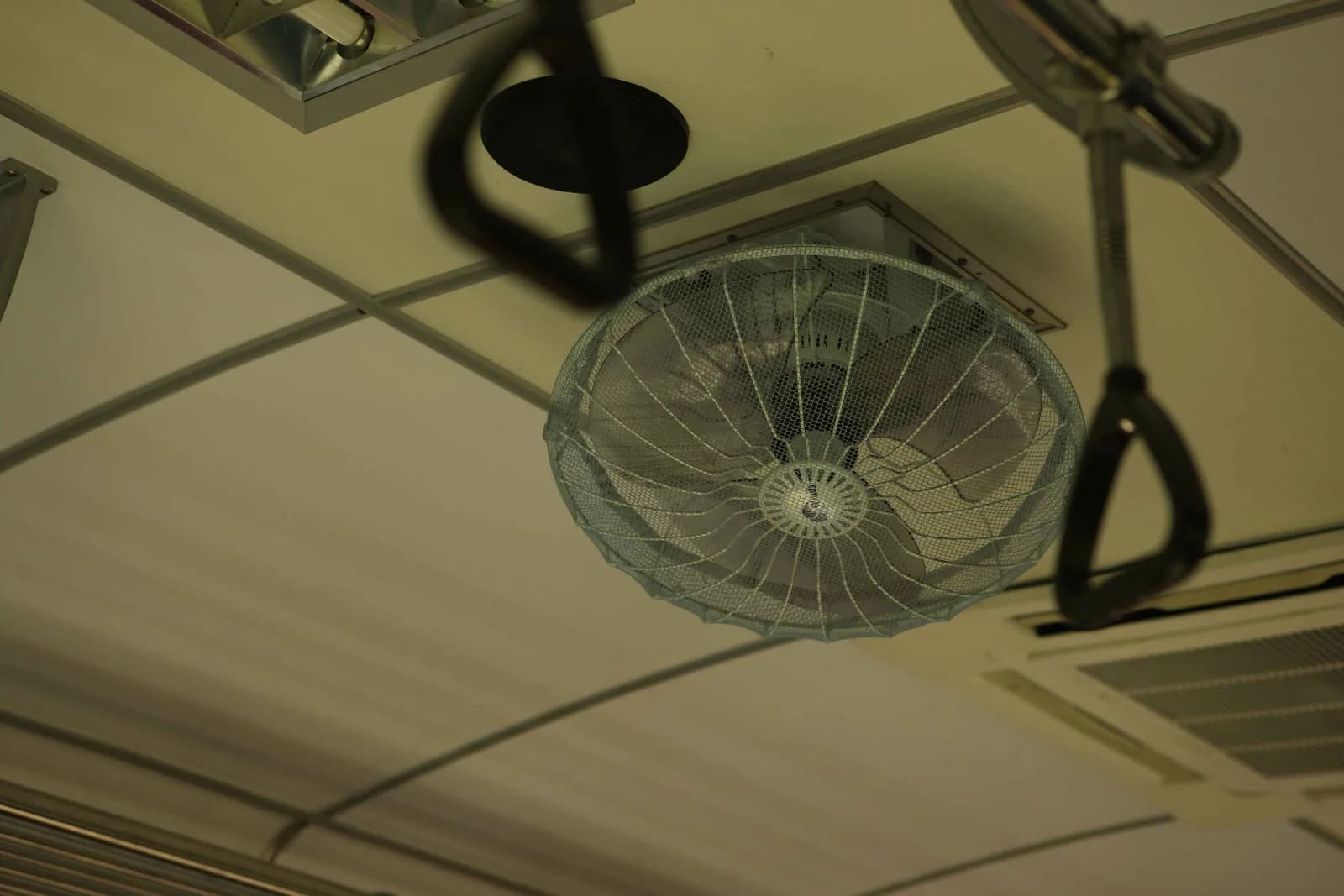
The Belief That Sleeping with a Fan Is Dangerous

In Korea, there was a time when many people believed that sleeping with a fan on could be dangerous.

What people believed

• Using a fan in a closed room while sleeping was risky

• Some believed it could even cause suffocation...

09
Korean Society & Culture#korean culture#korean folk beliefs#korean tradition
2026-03-20
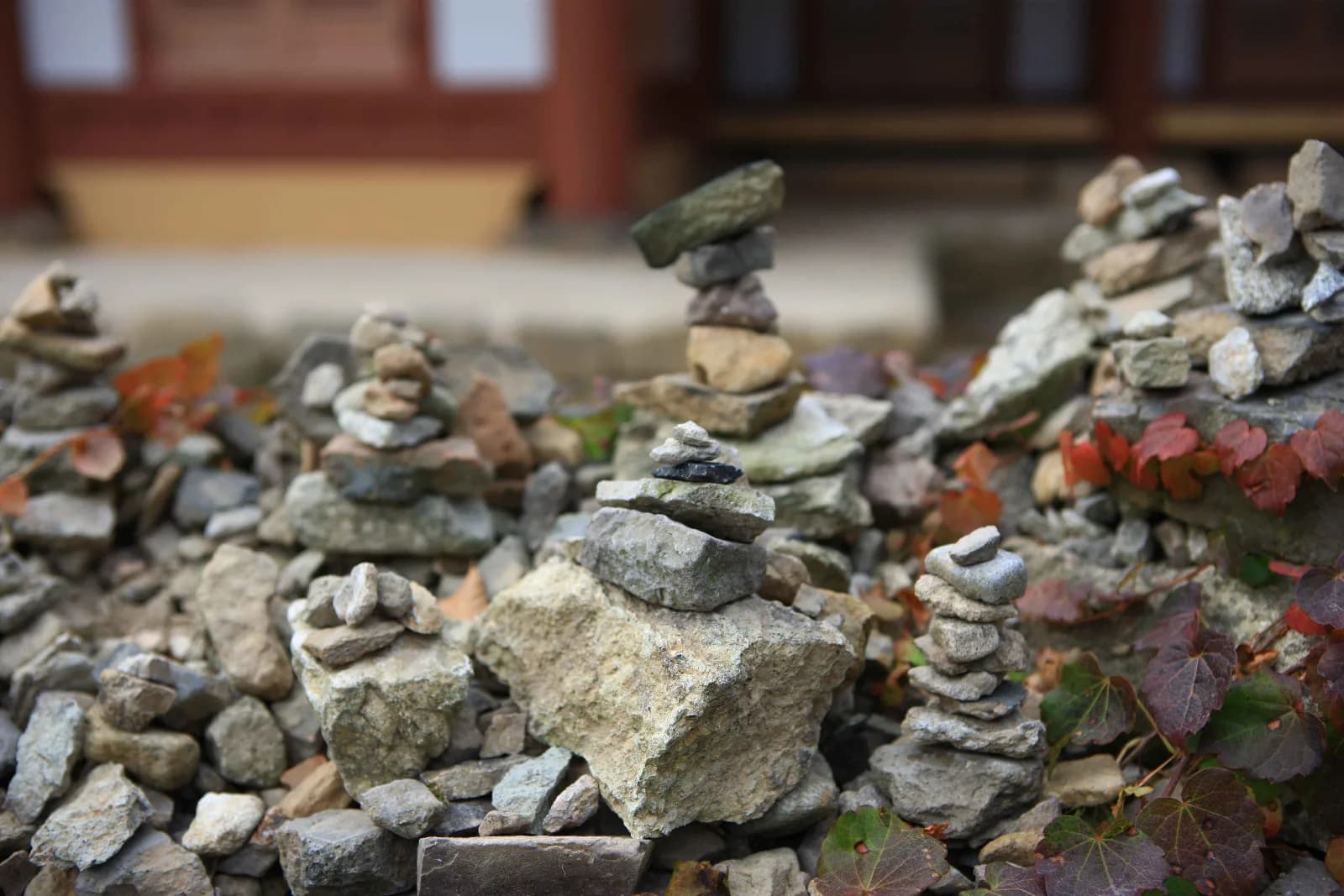
Stacking Stones to Make Wishes in Korea

In Korea, it is common to see small stacks of stones in mountains or along trails.

What it means

• Making a wish

• Hoping for good luck...

08
Korean Society & Culture#drinking culture#food culture#korea lifestyle
2026-03-20
In Korea, It’s “Jjan~,” (짠~) Not “Cheers”

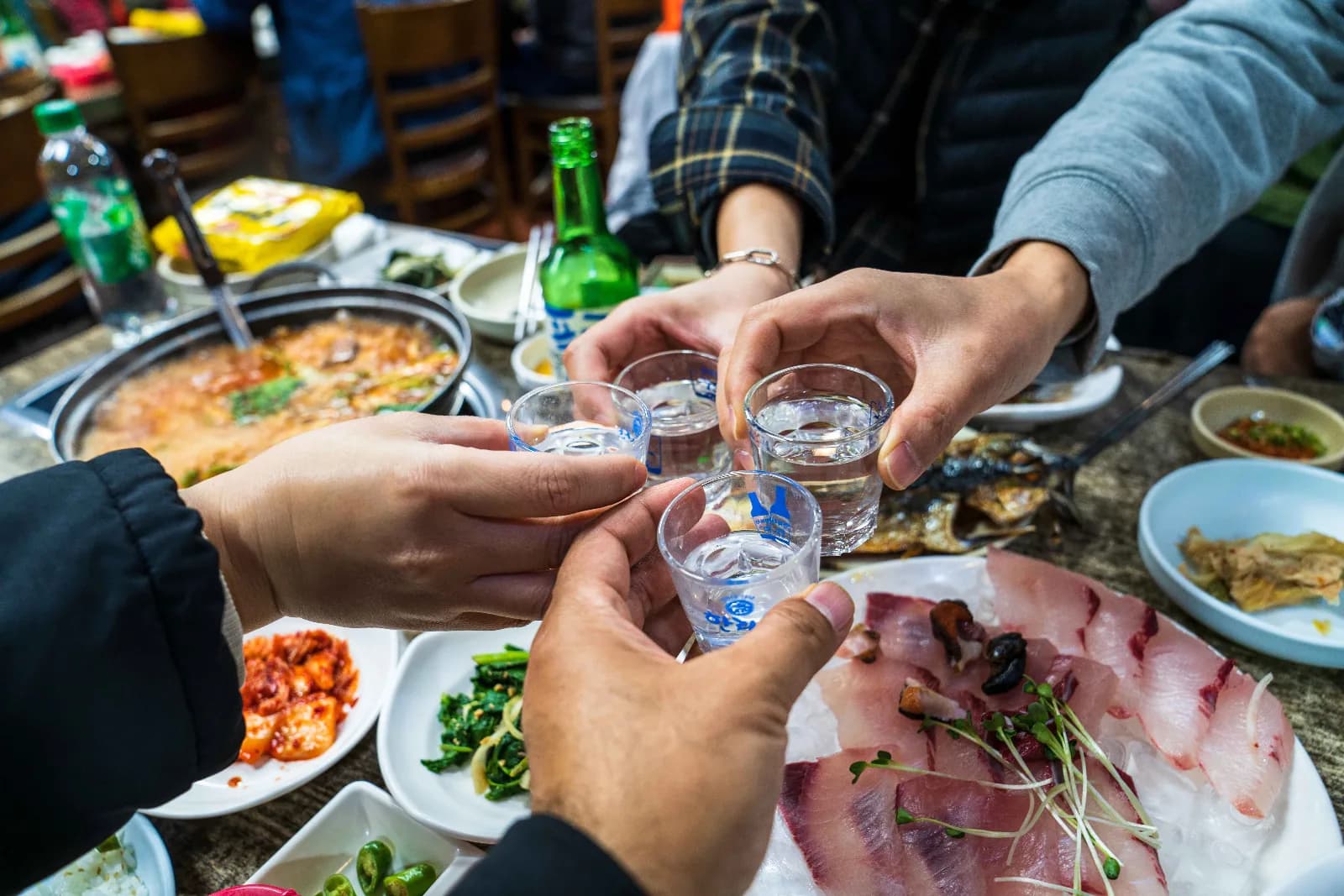
“Jjan~” (jjan) is the sound Koreans make when clinking glasses.

It is commonly used when making a toast.

When is it used

• Before drinking...

06
Korean Language#korean dating#korean dating culture#korean expressions
2026-03-20
“Sseom” (썸): Somewhere Between Friends and Dating

“Sseom” comes from the English word “something,” and refers to a stage between friendship and dating.

What it describes

• Mutual interest

• Frequent messaging and meeting...

06
Korean Language#abbreviations#korean dating culture#korean expressions
2026-03-20
What “Namsachin” (남사친) and “Yeosachin” (여사친) Mean

“Namsachin” (nam-sa-chin) and “yeosachin” (yeo-sa-chin) are shortened forms meaning “male friend” and “female friend.”

Meaning

• Namsachin A male friend

• Yeosachin A female friend...

08
Korean Language#korean communication#korean conversation#korean expressions
2026-03-20

Does “ani~ (아니)” mean “no”

“Ani” literally means “no,” but when it is used at the beginning of a sentence, it functions differently.

How it is used

The phrase “아니~” (ani~) is commonly used:

• To start a sentence

• To continue a conversation naturally

• To show mild disagreement or complaint...

05
Korean Language#korean communication#korean culture#korean expressions
2026-03-20

How the number of “ㅋ” changes the tone

In Korean texting, the number of “ㅋ” does not just change intensity — it changes the tone and feeling of the message.

Basic pattern

• ㅋ Can feel dismissive or uninterested

• ㅋㅋ Often used at the end of a sentence to make it feel lighter

• ㅋㅋㅋ Mild laughter

• ㅋㅋㅋㅋ Natural laughter...

04
Korean Language#korean expressions#korean internet culture#korean language
2026-03-20

What is “ㅋㅋㅋㅋ”

“ㅋㅋㅋㅋ” (kkk) is a common way to express laughter in Korean texting.

It works similarly to “lol” or “haha.”

Basic meaning

• It represents laughter

• It is used very frequently

Key point...

03
Korean Language#korean communication#korean culture#korean expressions
2026-03-20

Does “Let’s have a meal sometime (밥 한 번 먹자)” mean a real plan

The Korean phrase “밥 한 번 먹자” (bap han beon meok-ja) literally means “let’s have a meal sometime.”

However, it does not always refer to a specific plan.

What it usually means

Depending on the situation, it can be used to:

• Show a desire to stay in touch

• End a conversation politely...

02
Korean Travel#Han River#korea lifestyle#korean-travel
2026-03-20
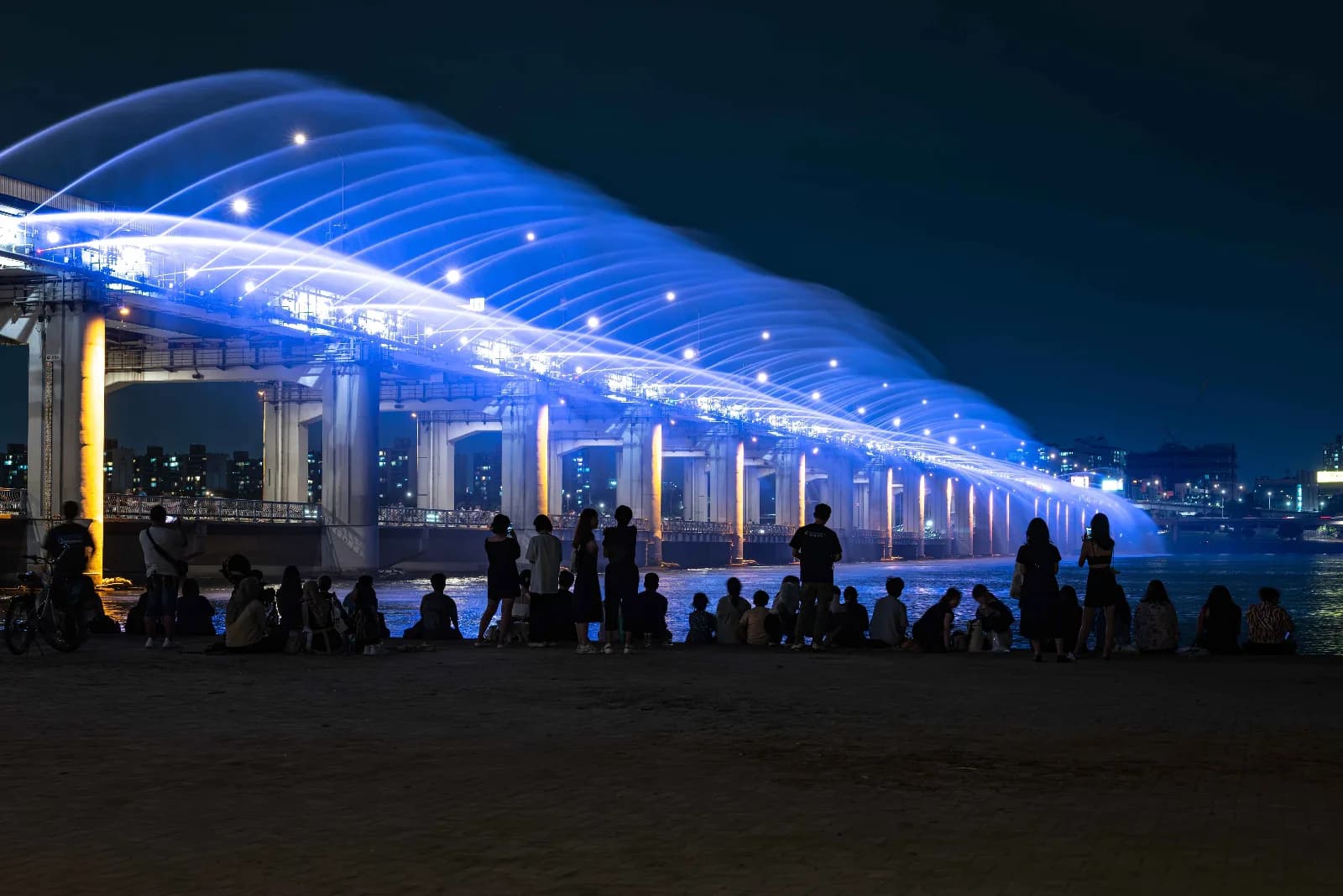
The Han River, Seoul’s Most Popular Place to Relax

The Han River, a central place to relax in Seoul

The Han River runs through the heart of Seoul and is one of the most popular places for people to spend their free time.

It is not just a tourist attraction, but also a place where locals regularly come to relax.

What you can do at the Han River...

02
Korean Travel#bus system#korea bus#korea transport
2026-03-20
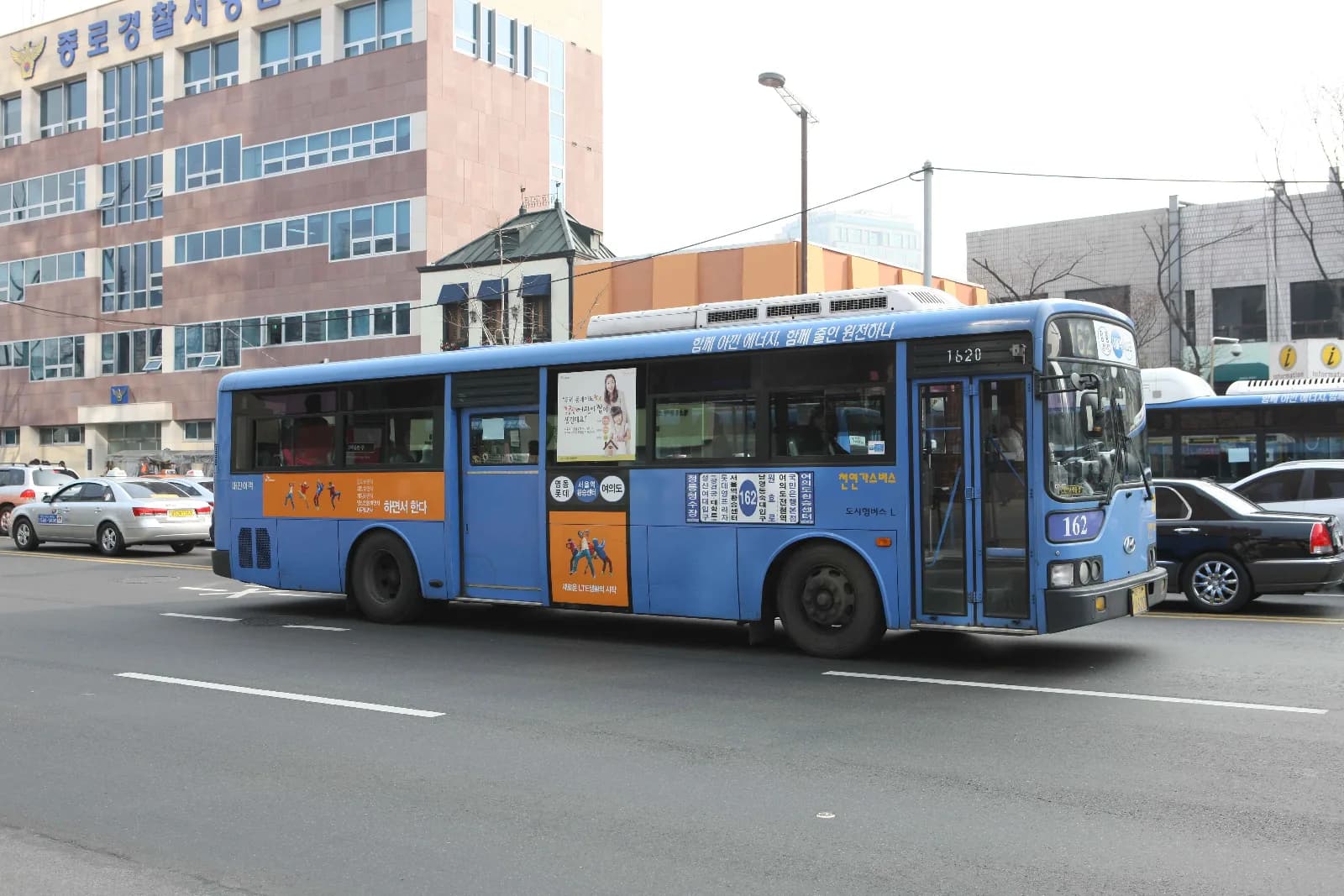
Understanding the Korean Bus System by Color and Number

How the Korean bus system works

The Korean bus system is highly organized. Each route is designed to show its role and travel distance clearly.

It may seem complicated at first, but once you understand the structure, it becomes much easier to use.

Bus types by color...

02
K-FOOD#asian culture#chopsticks#cultural differences
2026-03-20
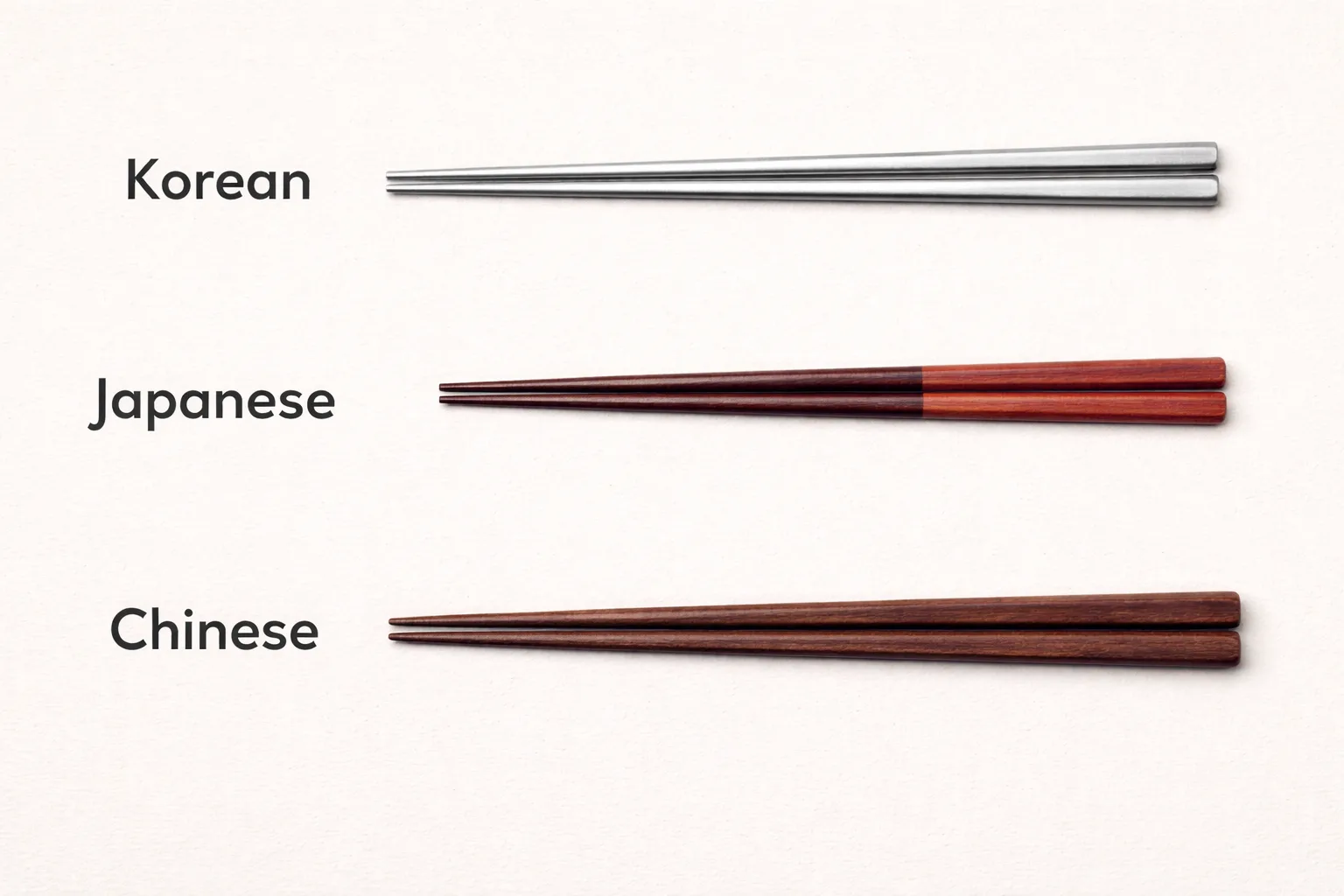
Korean Spoon and Metal Chopsticks

In Korea, people typically use both a spoon and chopsticks during meals.

Tableware in Korea

A typical Korean meal includes both tools.

• Spoon: for rice and soup...

08
K-FOOD#coffee culture#daily life in korea#iced americano
2026-03-20
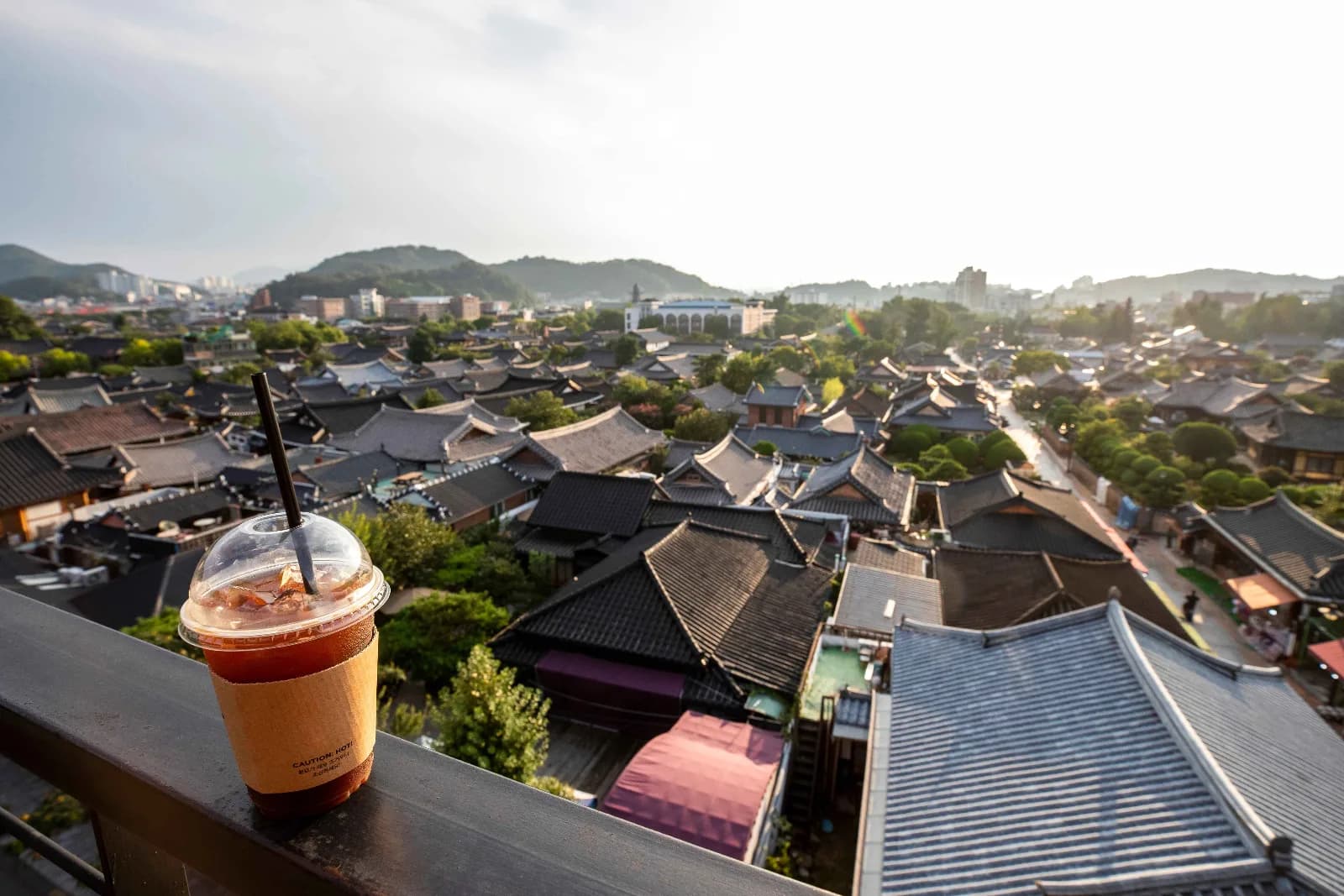
Iced Americano in Winter: A Korean Coffee Habit

In Korea, many people drink iced Americano even during winter.

What Is “Eoljuka (얼죽아)”?

“Eoljuka” is short for a phrase that means “iced Americano no matter what.”

It refers to people who choose iced coffee regardless of the weather....

08
K-FOOD#dining experience#food culture#grilling meat
2026-03-20
Korean BBQ: Cooking Meat at the Table

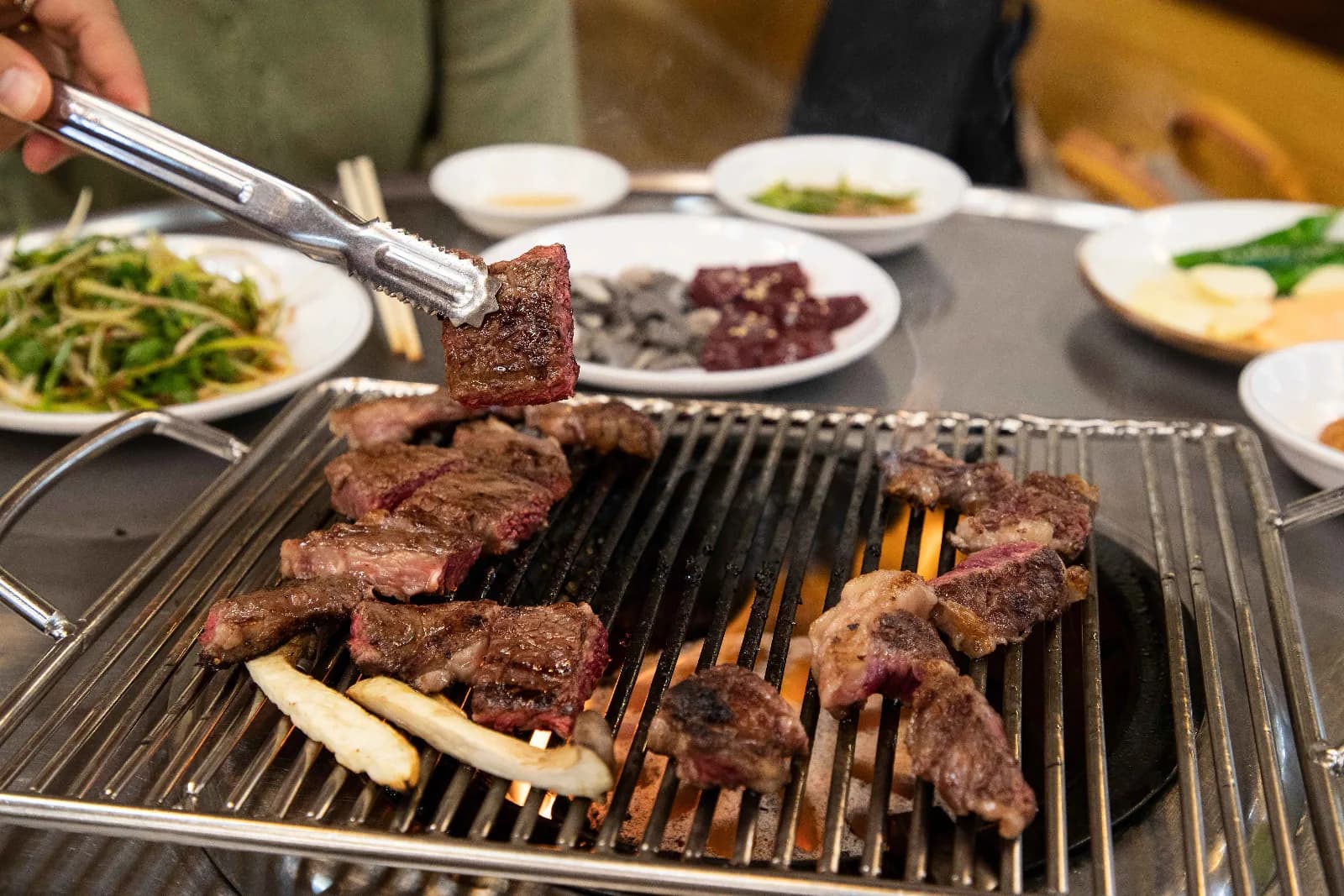
In Korea, it is common to cook meat yourself at BBQ restaurants.

How Does It Work?

Meat is cooked directly on a grill at the table.

• You cook the meat yourself...

07
K-FOOD#dining experience#food culture#korean bbq
2026-03-20
Ssam: The Korean Way of Wrapping Food

In Korea, it is common to wrap food in vegetables before eating.

What Is Ssam?

Ssam is a way of eating where meat, rice, and side dishes are wrapped together in leafy vegetables.

• Lettuce...

011